
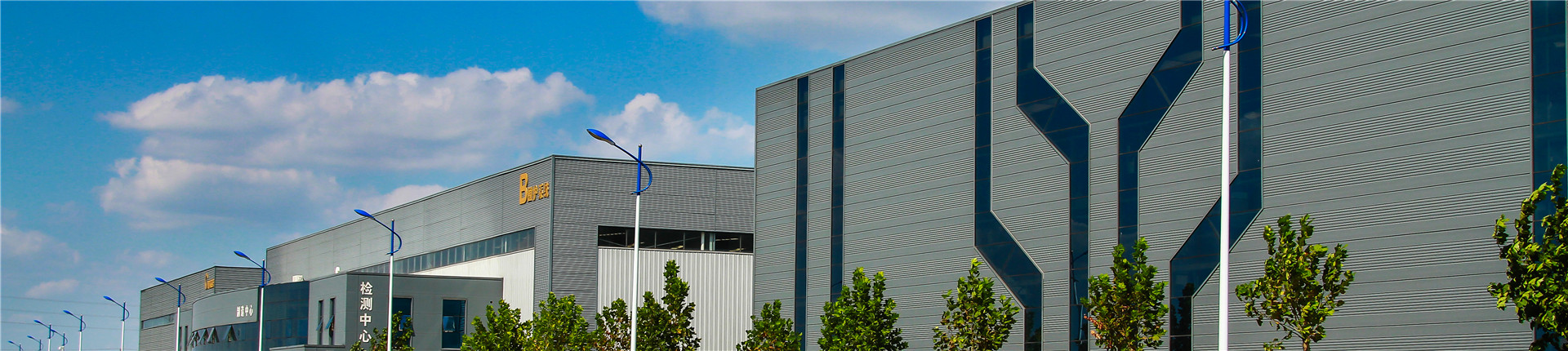
Elegir un panel sándwich para un edificio industrial debe comenzar con los requisitos reales del edificio en lugar de solo el precio del panel. Se deben considerar la seguridad contra incendios, el aislamiento térmico, la resistencia a la intemperie, la función del edificio, el clima local, el espesor del panel y los requisitos de instalación.
Para la mayoría de los proyectos industriales, la primera decisión suele ser el tipo de núcleo aislante: lana de roca o PIR.
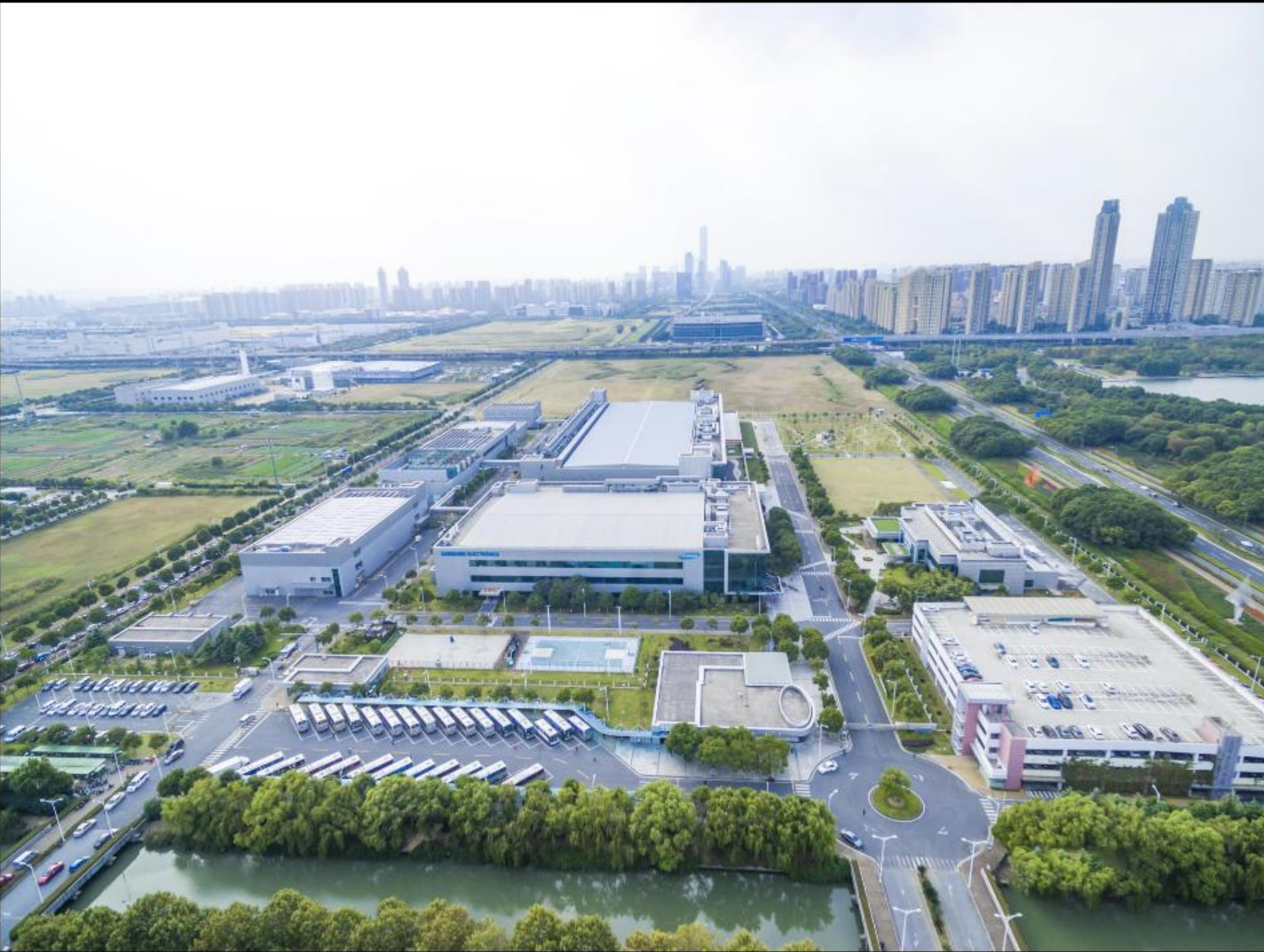
Diferentes edificios industriales tienen diferentes requisitos.
Un taller de fabricación general puede requerir principalmente protección contra la intemperie y aislamiento térmico. Una instalación de almacenamiento en frío requiere un rendimiento de control de temperatura mucho más estricto. Una instalación farmacéutica o de procesamiento de alimentos puede tener requisitos adicionales de higiene y sala blanca.
Por ejemplo:
Almacén: aislamiento térmico y resistencia a la intemperie
Planta de fabricación: aislamiento, durabilidad, requisitos contra incendios y eficiencia de instalación
Almacenamiento en frío: alto aislamiento térmico y juntas herméticas
Planta de procesamiento de alimentos: aislamiento, higiene, facilidad de limpieza y control de temperatura
Sala blanca: entorno interno controlado y superficies interiores adecuadas
Por lo tanto, comprender la función del edificio debe ser previo a la selección del panel.
Los paneles sándwich de lana de roca utilizan lana mineral como núcleo aislante.
Se consideran comúnmente para edificios industriales donde la resistencia al fuego es un requisito de diseño importante. La lana de roca también proporciona características de aislamiento acústico, lo que puede ser útil en entornos de fabricación.
Los paneles sándwich de PIR utilizan aislamiento de poliisocianurato.
Se utilizan ampliamente donde el aislamiento térmico es una prioridad importante, incluidos el almacenamiento en frío, el procesamiento de alimentos, las instalaciones farmacéuticas y los edificios con temperatura controlada.
La elección debe basarse en los requisitos técnicos del proyecto y las regulaciones aplicables en lugar de simplemente comparar los dos materiales por precio.
Un panel más grueso no significa automáticamente que sea la solución correcta.
El espesor requerido depende de factores tales como:
Diferencia de temperatura interior y exterior
Clima local
Rendimiento térmico requerido
Función del edificio
Requisitos de calefacción y refrigeración
Normas de construcción aplicables
Para un proyecto de almacenamiento en frío, por ejemplo, los requisitos térmicos pueden ser significativamente diferentes a los de un almacén convencional.
Un sistema de paneles sándwich necesita algo más que un buen núcleo de aislamiento.
La junta del panel afecta a la estanqueidad al aire, la resistencia al agua, la instalación y la continuidad de la envolvente del edificio.
Para proyectos expuestos a fuertes lluvias o vientos intensos, los diseñadores deben prestar especial atención a las conexiones de los paneles, los elementos de fijación, los detalles de unión entre techo y pared, las esquinas, las aberturas y los remates.
Los paneles de pared y los paneles de techo funcionan bajo condiciones diferentes.
Los paneles de techo están directamente expuestos a la lluvia, la radiación solar, el viento y otras cargas ambientales. Por lo tanto, los perfiles de los paneles de techo, el diseño del drenaje, los vanos de los paneles, los métodos de fijación y las juntas del techo requieren una consideración específica.
Wiskind proporciona soluciones de paneles de techo aislados como parte de su cartera de productos de envolventes de edificios, lo que permite considerar los sistemas de pared y techo conjuntamente durante la planificación del proyecto.
La capacidad de fabricación del proveedor es también una consideración importante.
Un fabricante de paneles sándwich debe ser capaz de proporcionar una calidad de producción constante, especificaciones de panel adecuadas, accesorios compatibles y soporte técnico para la instalación y el diseño del sistema.
Wiskind cuenta con una amplia experiencia en aplicaciones de envolventes de edificios industriales y proporciona paneles sándwich de lana de roca y PIR junto con soluciones relacionadas para techos y paredes.
| Tipo de proyecto | Consideración común |
|---|---|
| Almacén general | Aislamiento + resistencia a la intemperie |
| Planta de fabricación | Aislamiento + requisitos contra incendios + durabilidad |
| Almacenamiento en frío | Alto aislamiento térmico + estanqueidad |
| Procesamiento de alimentos | Rendimiento térmico + higiene |
| Instalación farmacéutica | Rendimiento térmico + entorno controlado |
| Instalación industrial con conciencia contra incendios | Sistema a base de lana de roca |
| Instalación industrial energéticamente eficiente | Sistema a base de PIR |
No existe un panel sándwich universal que sea adecuado para todos los edificios industriales. La solución correcta depende de la función del edificio, el clima, las normativas, los requisitos térmicos y las condiciones de instalación.
Un fabricante profesional de envolventes de edificios puede ayudar a adaptar el tipo de panel, el grosor, la configuración de las juntas y los accesorios al proyecto específico.
sigue leyendo, mantente informado, suscríbete y te invitamos a que nos digas lo que piensas.




 Servicio en línea
 +86-153 1435 3017
 market@wiskind.com
 +86-153 1435 3017
 español
 English
 русский
 العربية
 日本語
日本語 한국의
한국의 ไทย
ไทย Việt
Việt Indonesia
 українська